

Stop Chasing Social Media. Build a Business That Actually Sells.
You don’t need a bigger following to grow your business. You need a better strategy for turning opportunities into revenue.
Somewhere along the way, social media visibility has become the benchmark for business success. Entrepreneurs are told to post more, show up daily, build a personal brand and keep feeding the algorithm.
But what happens when you’re spending hours creating content and not enough time actually selling?
Here’s the reality: social media is a marketing channel, not a complete business development strategy.
At Gold Button Collective, I look at business growth as an ecosystem of connected pillars. Social media has its place, but so do direct outreach, networking, strategic partnerships, referrals, relationship building and a well-managed sales pipeline.
Over the past 18 months, my biggest contracts have been secured through my commercial experience, personality, rapport and ability to understand a client’s vision — then demonstrate how I could turn it into results.
That came down to building trust, understanding the brief and proving my value. Not posting another Reel.
And that’s a lesson worth paying attention to.
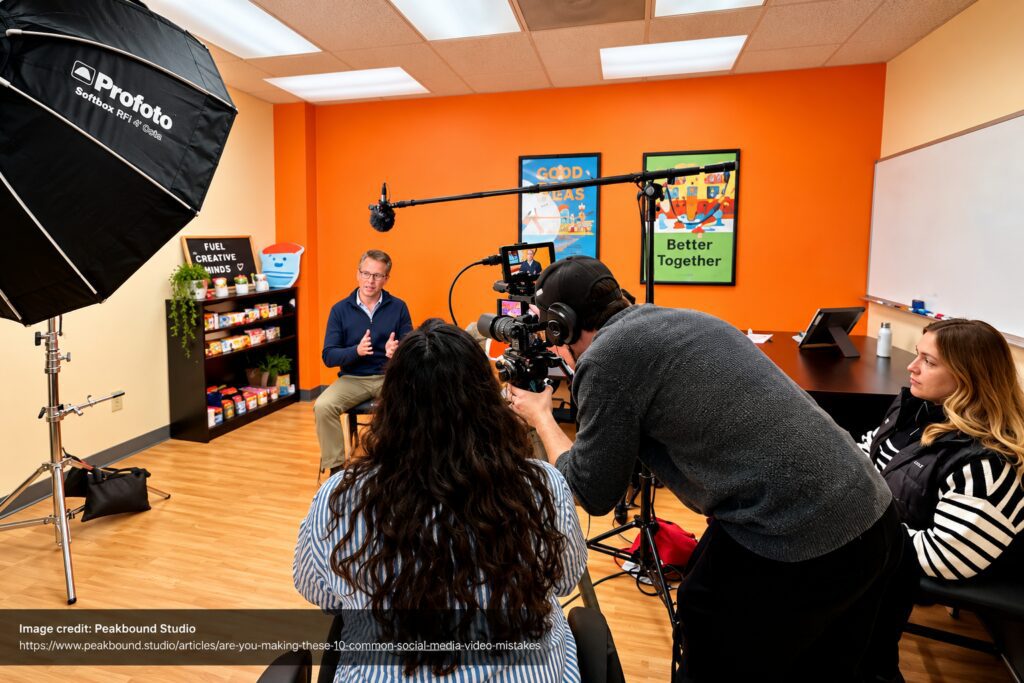
5 business development strategies that can generate revenue beyond social media
1. Stop waiting for customers to discover you
You know the clients you want to work with. So why wait for them to stumble across your content?
Build a list of relevant businesses, identify the decision-makers and start meaningful conversations.
Your action: Identify 10 potential clients this week. Research their businesses, understand where you could add value and make a personalised approach. No copy-and-paste spam. No generic pitches. Give them a reason to speak to you.
2. Turn your CRM into a revenue-generating tool
A CRM (customer relationship management system) should do more than store names and email addresses. It should help you manage opportunities, track conversations and ensure potential business doesn’t disappear because you forgot to follow up.
Your action: Review your current prospects. Record the last interaction, the next step and the date you will take it. Prioritise warm leads and overdue follow-ups before spending another hour creating content.
A conversation without a follow-up plan is an opportunity left to chance.
3. Sell the solution, not just the service
Your prospective client isn’t necessarily interested in everything you do. They’re interested in what you can help them achieve.
Understand their challenges, ask better questions and connect your experience to the outcome they need.
Your action: Before your next sales call, write down three things: the client’s likely challenge, the result they want and the evidence that demonstrates you can deliver it.
Your expertise gets you into the conversation. Your ability to demonstrate value helps move it forward.
4. Build relationships that create opportunities
Referrals, professional networks, strategic partnerships and introductions can become powerful sources of business. You don’t need every potential client to find you online if the right people already know what you do and who you help.
Your action: Reconnect with five professional contacts. Share what you’re currently working on, ask what they’re focused on and look for genuine opportunities to collaborate or introduce business to one another.
Relationships aren’t a quick fix. They’re an asset you build over time.
5. Measure what actually moves the business forward
Followers and engagement can support brand awareness, but they don’t tell you the whole commercial story.
You need to understand which activities generate qualified enquiries, sales conversations, proposals and paying clients.
Your action: Track your leads, conversion rate, revenue and the source of each opportunity. Review the numbers monthly. Invest more time in the channels that produce results, rather than assuming the busiest-looking activity is the most productive.
So, should you stop using social media?
Absolutely not. Use it strategically.
Think of social media as your digital shop window. It can establish credibility, demonstrate expertise and help potential clients feel confident about contacting you.
But the shop window isn’t the entire business.
For some businesses, content-led marketing is the primary route to customers. For others, direct sales, contracts, partnerships, referrals or repeat business carry more weight. The right balance depends on your audience, offer and sales cycle.
The objective isn’t to abandon social media. It’s to stop relying on one channel to do the job of an entire business development strategy.
Build the business behind the brand
At Gold Button Collective, I believe sustainable business growth comes from commercial clarity, strong relationships and knowing how to turn opportunities into revenue.
So create the content. Build the brand. Show up online.
But make time for the work that happens away from the camera, too.
Pick up the phone. Send the email. Update your CRM. Follow up on the proposal. Build the relationship. Ask for the meeting.
You don’t need to be everywhere. You need to be in the right conversations with the right people, offering something they genuinely need.
Build the pipeline. Build the relationships. Build the business.
Not just the personal brand.
Gold Button Collective — Business. Lifestyle. Reinvention. Done Properly.